KOSHARI
Chasing the soul of Cairo in a bowl.

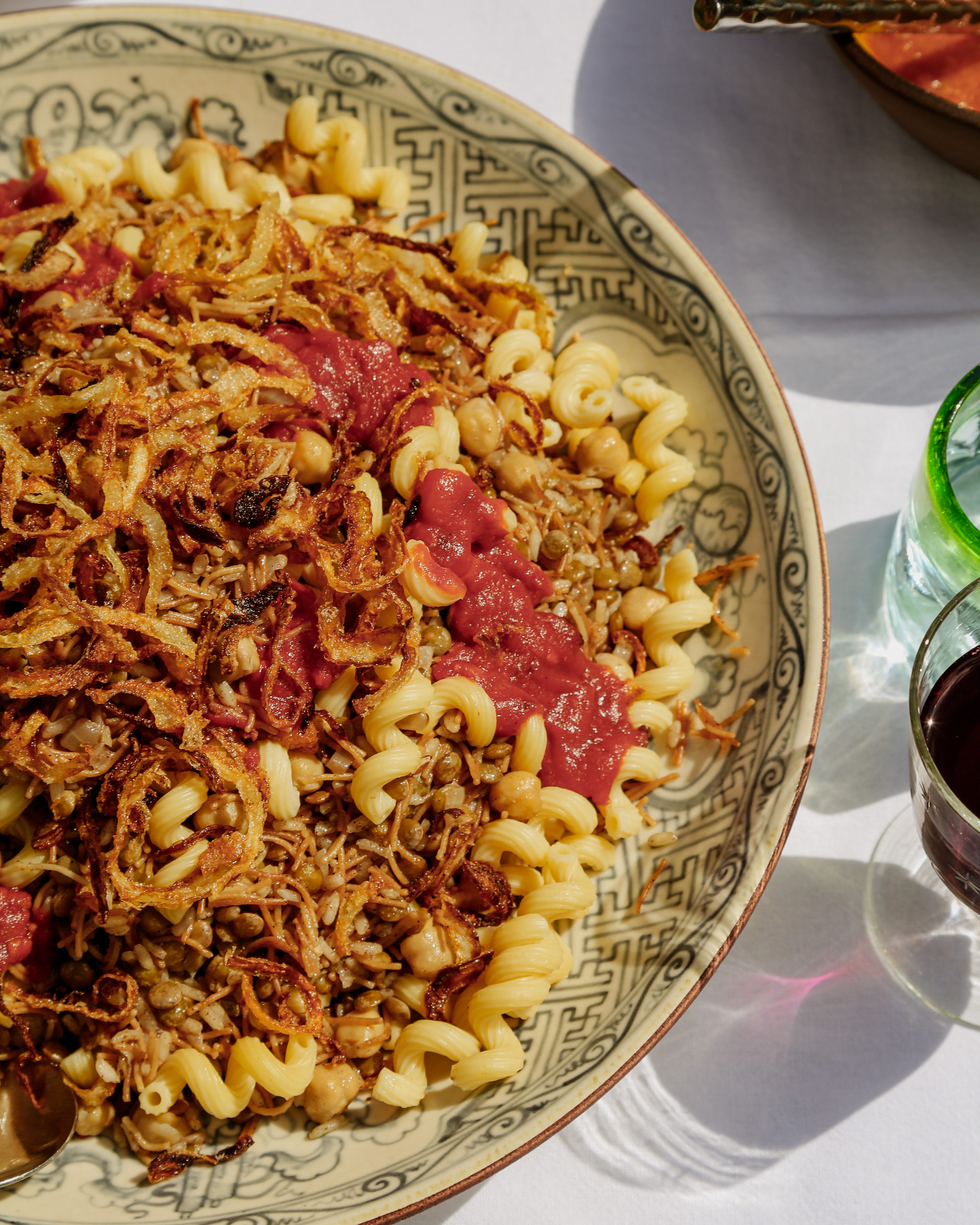
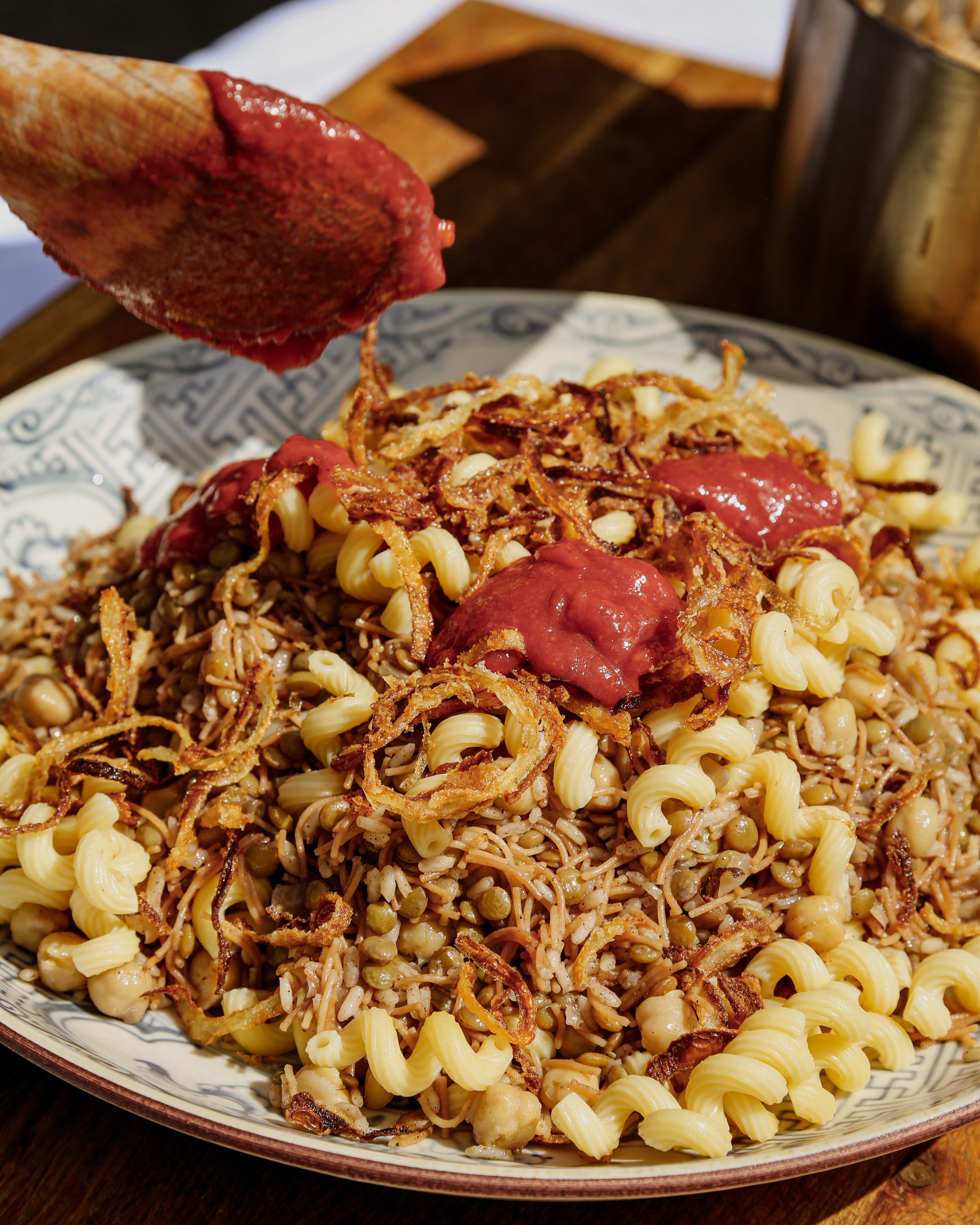
Koshari is one of the great dishes of the Egyptian street. A mountain of lentils, rice, vermicelli, chickpeas and elbow macaroni layered together in a bowl, topped with a fiery tomato sauce, a sharp garlic vinegar (da’ah) and a generous crown of crispy fried onions. Nothing about the description sounds like it should work. Pasta and rice in the same dish? Lentils and chickpeas together? And yet it is one of the most quietly genius things ever assembled in a kitchen - nourishing, intensely satisfying, somehow more than the sum of its parts.
The dish, as we know it now, is a nineteenth-century Cairo invention. It pulls together strands from across the Indian Ocean and the Mediterranean: I believe the Indian khichri (or khichdi) of lentils and rice that British and Indian soldiers brought through Egypt, the Italian pasta that arrived with Italian immigrants in the late Ottoman period, and the chickpeas and fried onions that had always been there. Out of that meeting came something that is now completely Egyptian, and arguably the most democratic street food on earth. It is eaten by billionaires and street sweepers alike. It costs almost nothing. It feeds you for an entire afternoon or evening.
My relationship with koshari is not a passing food trend; it is a central thread in my almost forty-year cooking career. I have cooked it, studied it and eaten it across decades, and even published my own recipe for it back in 2008. But to truly understand it, you must eat it where it was born - amidst the roar and dust of the Egyptian capital.
So let me take you there first.
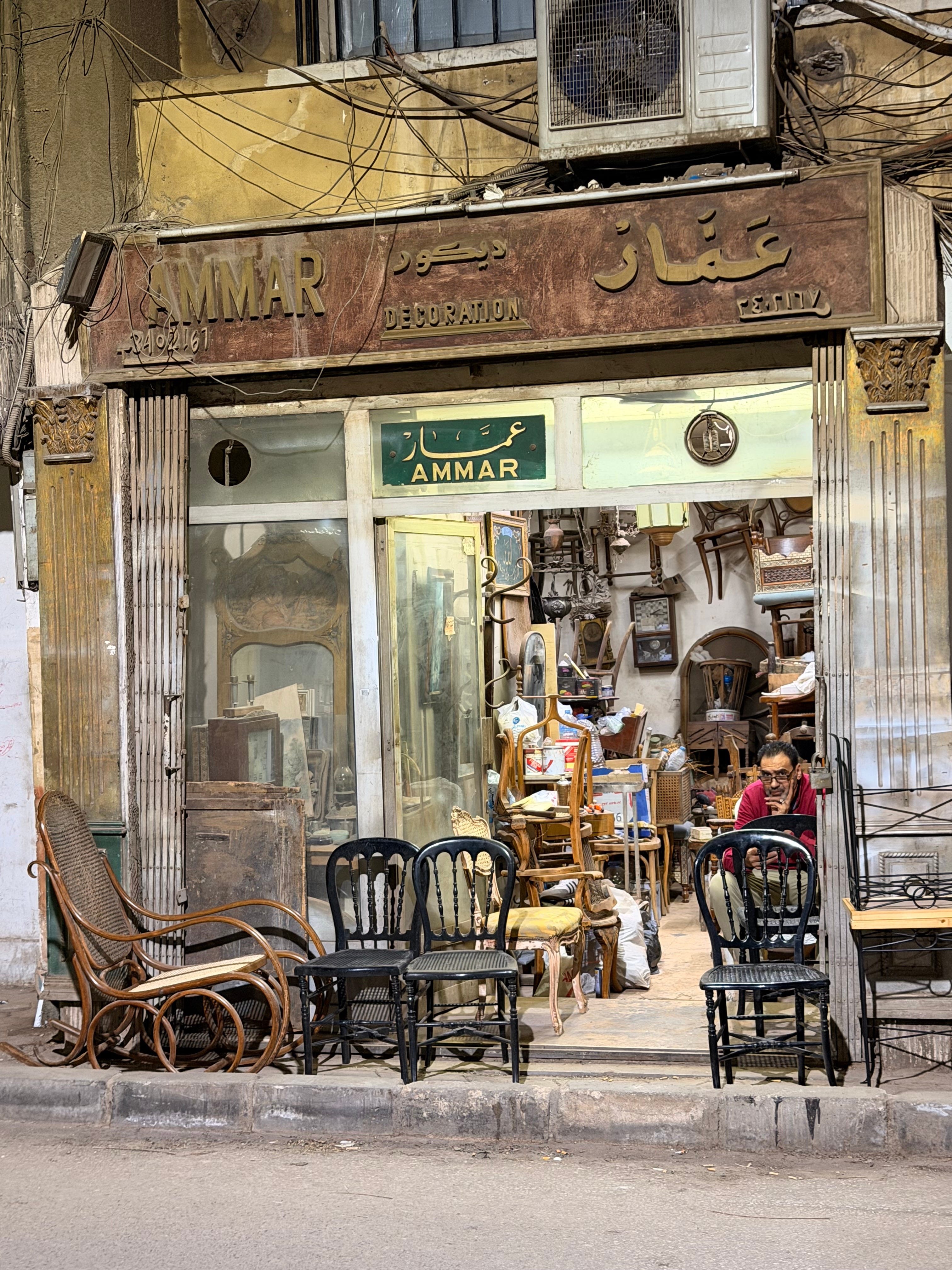
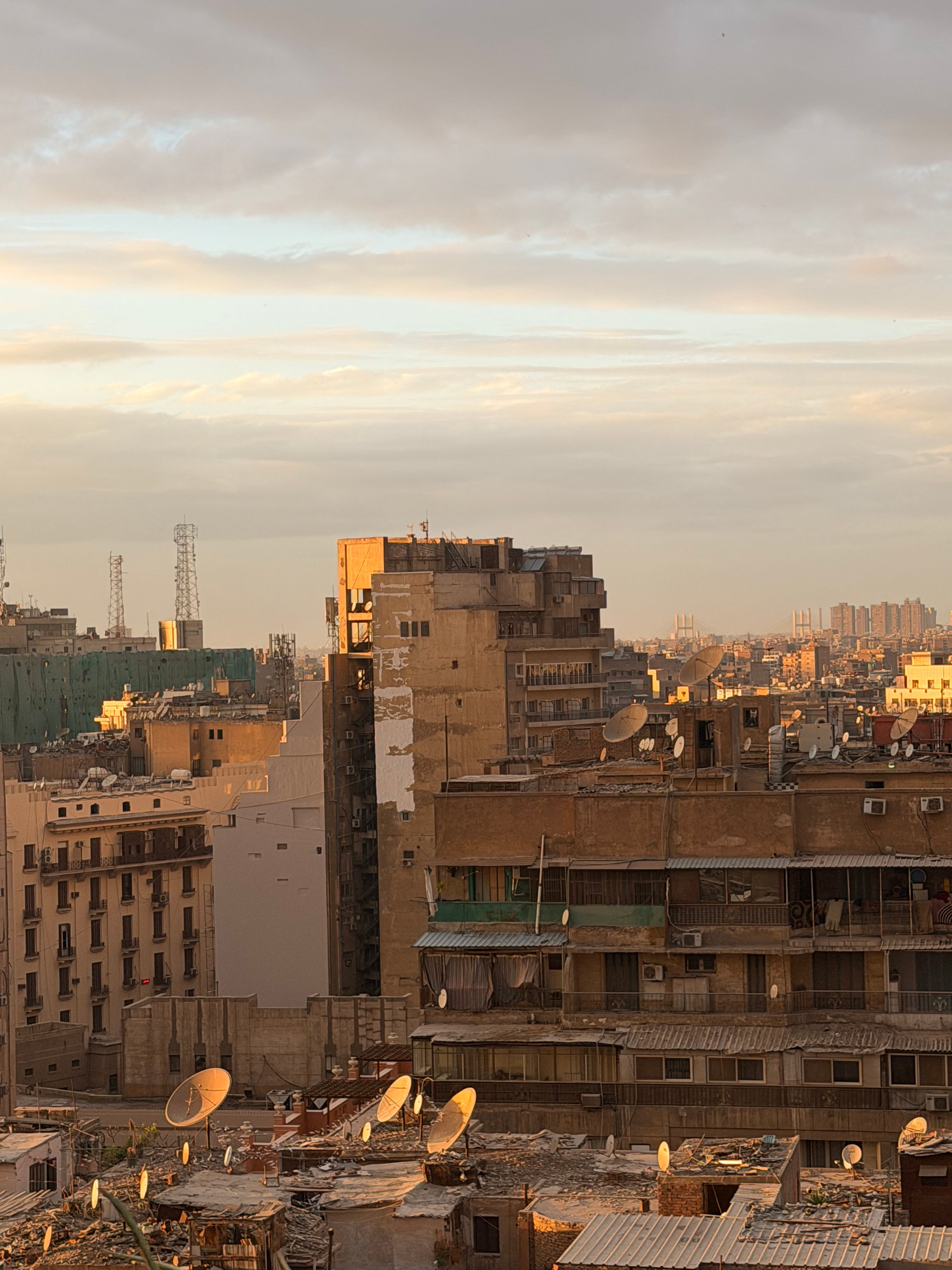
Cairo lives in layers. It carries centuries, but also moods that echo a more recent golden era when the city was at the heart of cinema, music and cosmopolitan glamour. If you come to Cairo chasing the ghosts of that time, you will mostly find them in fragments: dusty facades, fading balconies, crumbling cinemas. The grandeur is still there, but it belongs to another moment that the city has long since moved past. Of all the places I have been, Cairo remains the only one where I consistently feel that I am truly in an Arab country. The feeling is hard to define but instantly recognisable. The city, with all its noise and contradiction, feels familiar.
On my recent trip, returning this time with friends, I expected nostalgia. And it was there, in flashes: in the scent of the air at dusk, in distant traffic mixing with the call to prayer, and every so often, in the unmistakable singing of Oum Kalthoum drifting from a corner coffee shop. The past felt close enough to touch. But what surprised me was how that nostalgia coexisted with something else entirely: a city that had unmistakably transformed itself.
On my previous visit, Cairo had felt heavier - its pace slower, its spaces more worn. This time, the energy had shifted. There was a new vibrancy not only in Downtown, Zamalek and Maadi, but also in New Cairo, Sheikh Zayed and parts of Heliopolis, where newer developments are reshaping how the city breathes. Each district carried its own rhythm, but together they formed a city that felt awake.
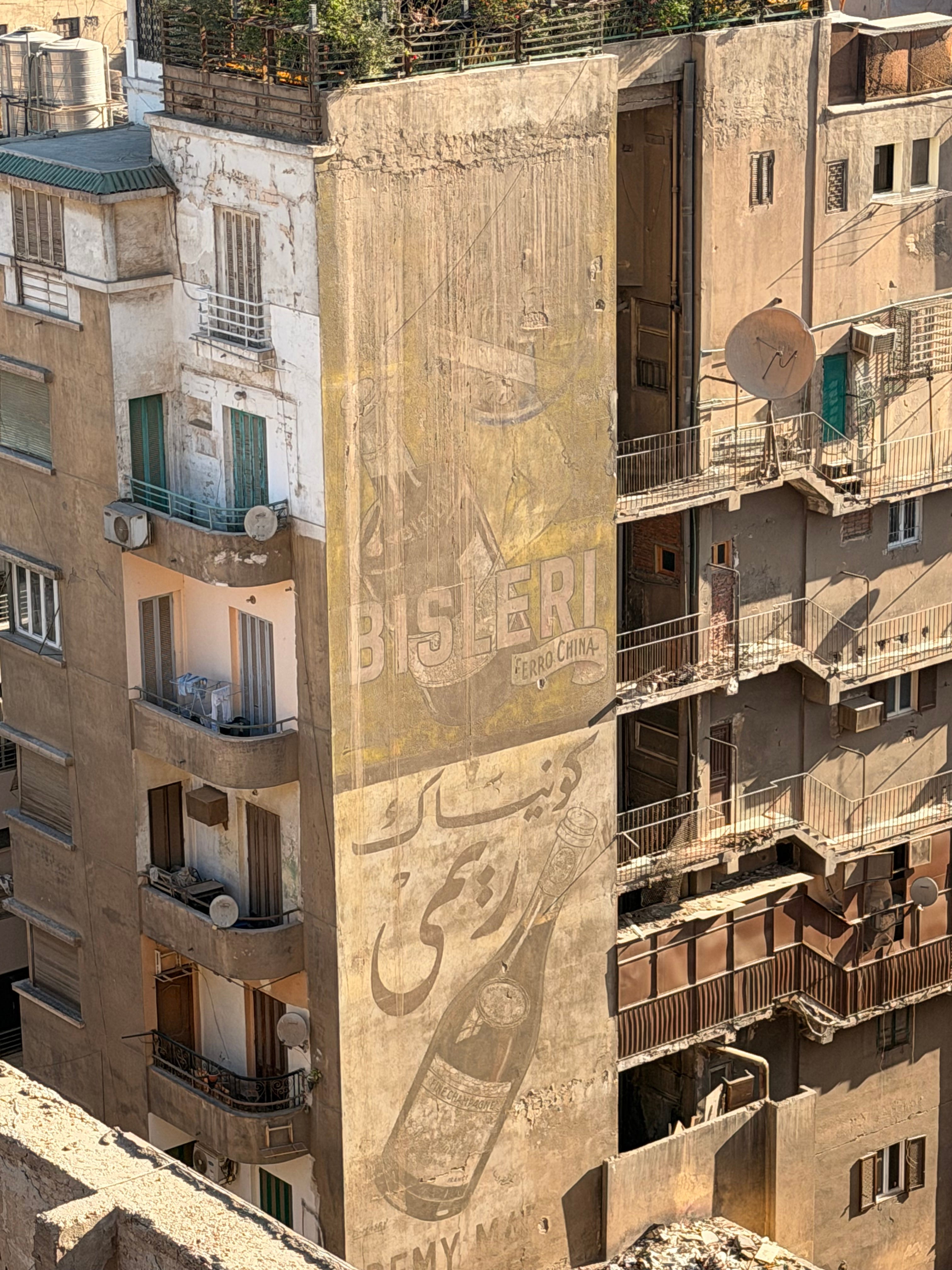
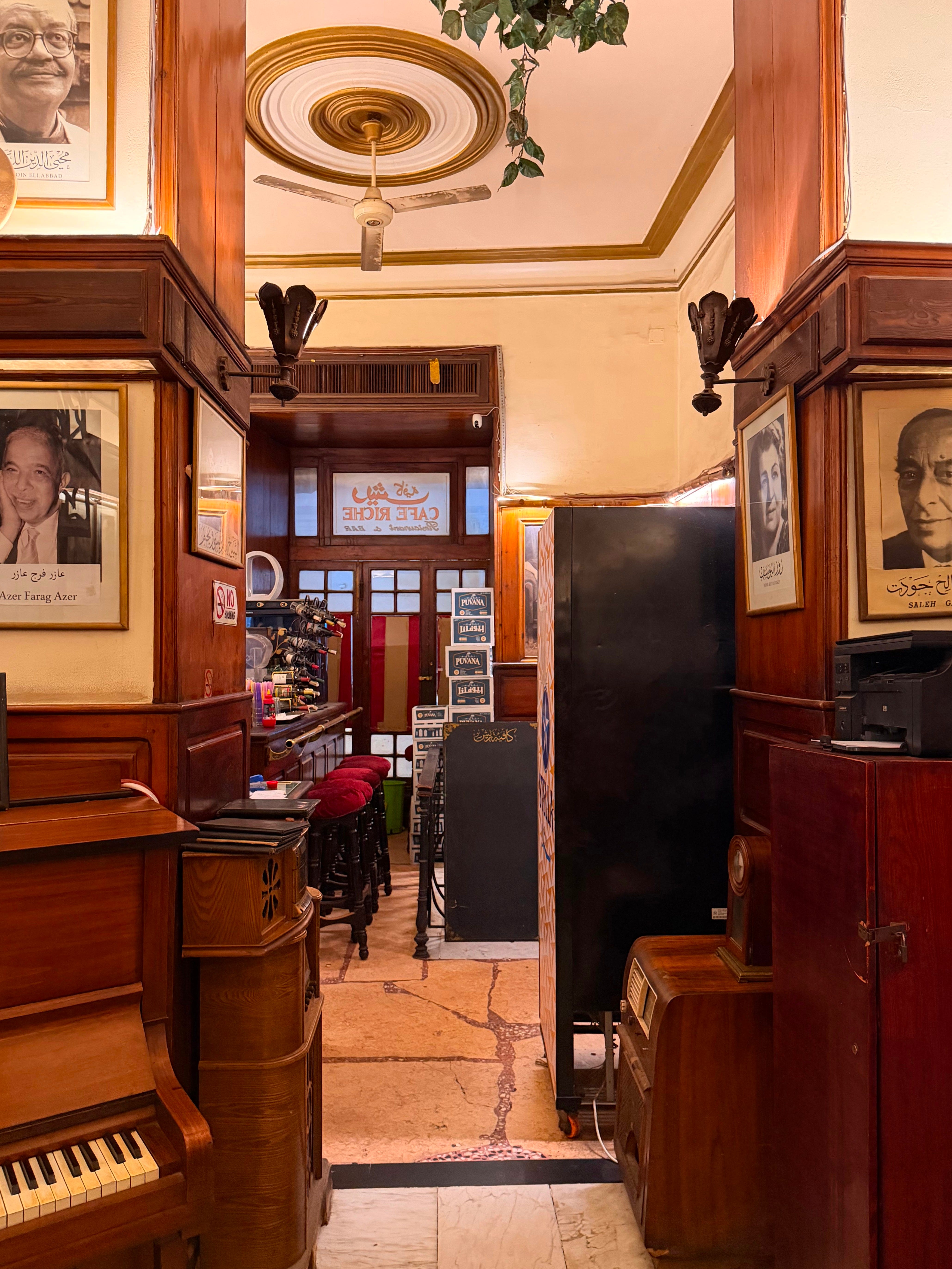
Downtown is where the past and present coexist most deliberately. Our stay at the historic Immobilia building captured that feeling perfectly. The moment we stepped into the spacious apartment, I had a sense of recognition, as if I had been there before. It felt like coming home - grander, perhaps, but deeply familiar. The building still carries its mid-century elegance, and outside, the streets felt more alive than I remembered: cafés spilling onto sidewalks, faded facades standing a little taller, as if reclaiming their place in the city. Café Riche, where Naguib Mahfouz and the generation of Egyptian intellectuals around him used to sit, still anchors the neighbourhood. The area behind Radio Cinema and spots like 6901 in the regenerating streets nearby add to this sense of renewal. None of these places erase the past; they build around it.
Our days quickly fell into a rhythm shaped by food, conversations and wandering. And it was through food, more than anything, that Cairo’s transformation became most apparent. There is a noticeable shift in the quality of cooking across the city. Ingredients feel more considered, menus more thoughtful, and there is a growing confidence in both preserving tradition and pushing it forward. Lunch at Zooba (twice, because once simply wasn’t enough) showed how Egyptian street food can be elevated without losing its soul - dishes that were familiar but executed with a care and precision that felt new. Al Beiruti offered a more classic, comforting spread, grounded in tradition. Kufu’s gave us a moment to pause, its setting adding a quiet grandeur. Across the board, there was real attention to detail - not just in flavour, but in presentation and atmosphere. Cairo’s food scene had matured, becoming more self-aware without becoming self-conscious.
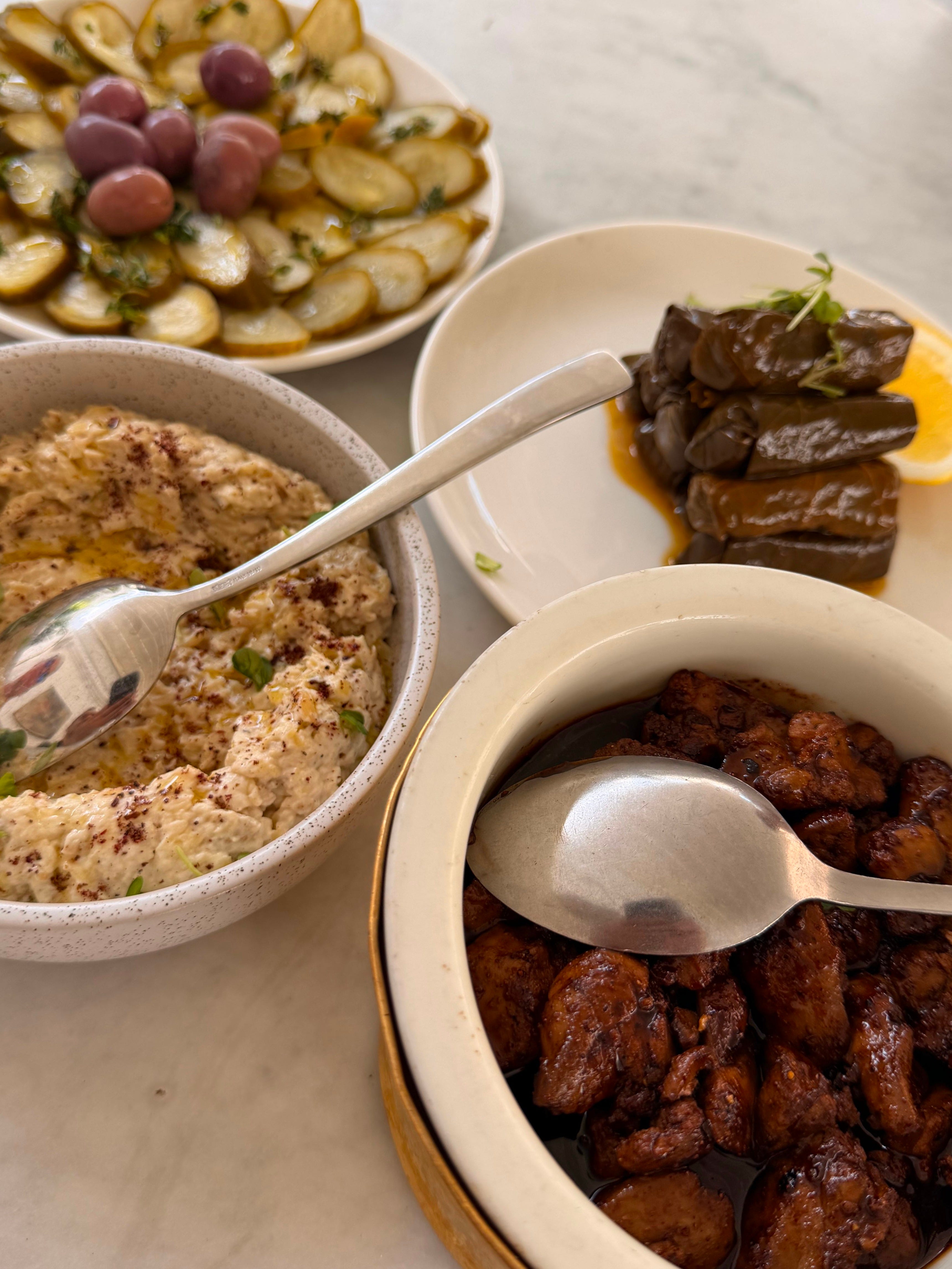
One of the most memorable evenings was dinner at Almeria. Owner Salma Marzouk and her brother sent course after course to our table - a glossy aubergine mutabbal, charred lamb sausages on a bed of crushed sweet potato and raw red onion, a mint-scented bissara that I have been thinking about ever since - and the room itself was warm, intimate, quietly stylish. A side of Cairo that is opening itself up, experimenting, embracing change without abandoning its roots.
Our second stay was at Villa Belle Époque in Maadi, on a tree-lined street where the mornings came in slowly and breakfast was eaten on a shaded terrace. Where Downtown buzzed with intensity, Maadi felt calm. A reminder of Cairo’s range: how it can stretch from chaotic to serene within a short walk, without ever losing its essence.
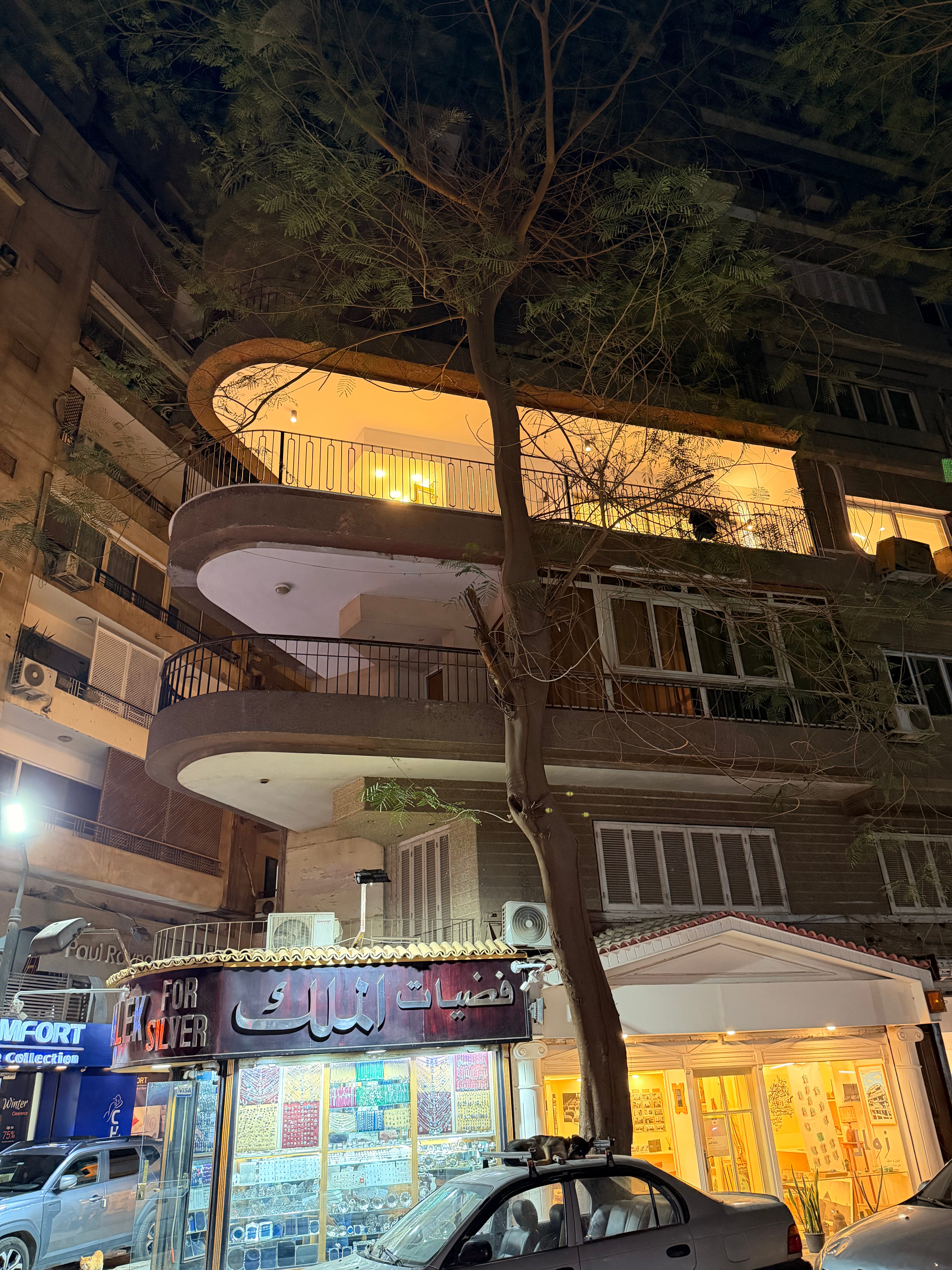
What struck me most throughout the trip was not just what had changed, but how it had changed. Cairo has not abandoned its identity; it has refined it. The contrasts remain - old and new, fast and slow - but they feel more deliberate now. Travelling with friends made the transformation more vivid. I was not just revisiting places; I was rediscovering them, comparing memories with reality, noticing details I might have overlooked alone.
Cairo, I realised, does not preserve its golden age for you to relive. It lets it fade, crack and settle into the background, while something new grows around it. It asks you not to chase what it once was, but to notice what it is becoming.
This is the Cairo in which koshari belongs. Every version I tasted on this trip was slightly different- everywhere we went, if koshari was on the menu, I ordered it. I compared the bite of the lentils, the tang of the sauce, the crunch of the onions, pitting every version against the flavours I have carried in my head for many years.
Where to Find the Best Koshari in Cairo
If you are looking to experience koshari at its peak, Cairo offers a few institutions that have turned this street food into an art form:
Koshari Abou Tarek is perhaps the most famous koshari joint in the world. Rising several floors in Downtown, it is a well-oiled machine - loud, fast-paced, brilliant. The version they serve is incredibly consistent, with a perfectly balanced, slightly spiced tomato sauce and a garlic-vinegar kick that cuts through the starch beautifully.
Koshari El Tahrir is a beloved local chain that many Cairenes swear by. Bright, clean, and a masterclass in texture. The crunch of their fried onions - warda, or “roses,” as they are poetically called - is legendary, and their shatta is not for the faint-hearted.
Koshari Sayed Hanafy is another heavyweight on the Cairo food scene. Famous for its rich, deeply savoury tomato sauce and generous portions, with a more local, neighbourhood feel than the tourist-heavy Abou Tarek.
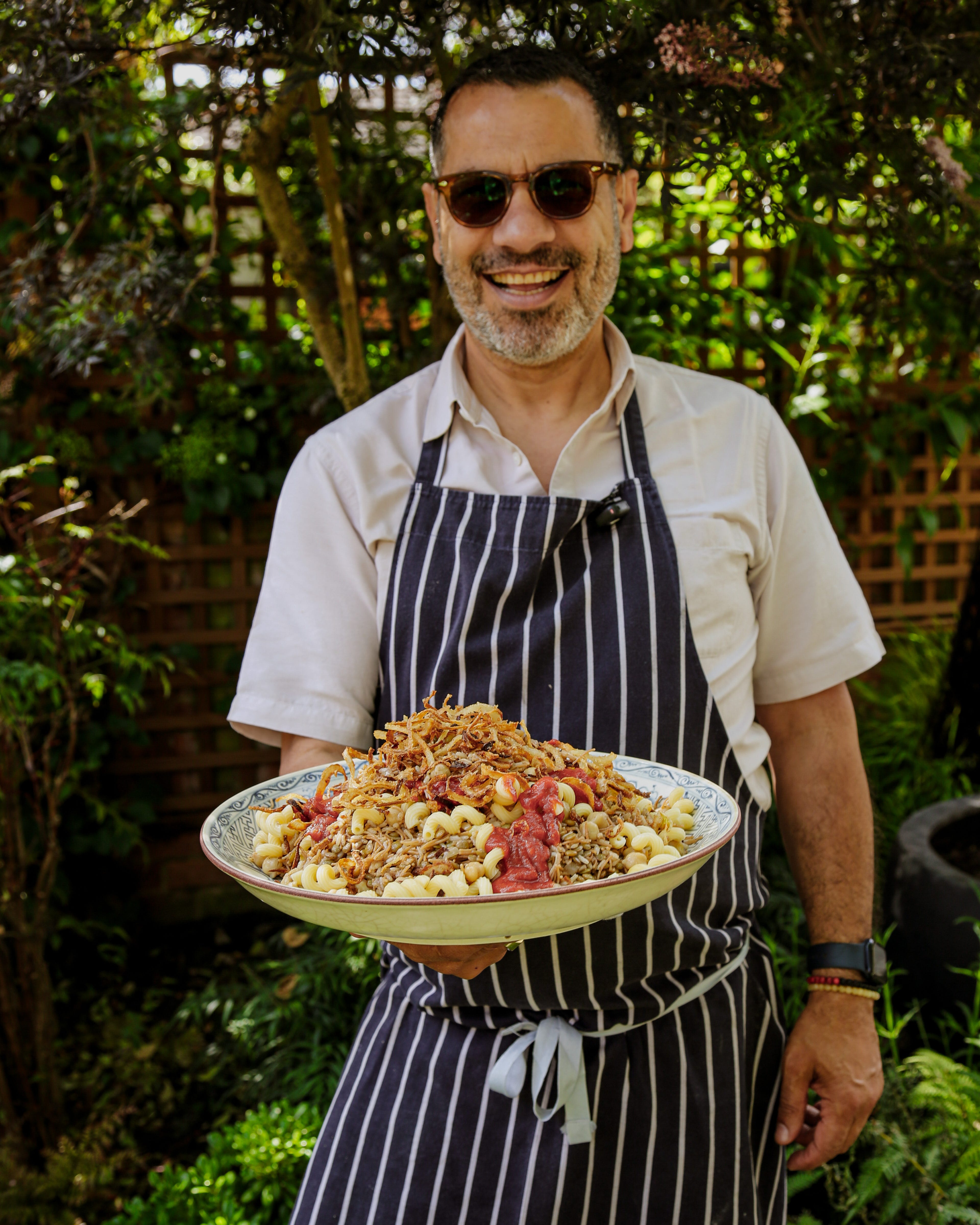
Eating koshari in these bustling places, surrounded by Cairo’s traffic and the shouts of waiters, brought me back to that indefinable sense of belonging I had been chasing all week. Koshari is a reminder of what stays constant amidst change. It is cheap, nourishing, and properly democratic. For a chef who has spent a lifetime chasing flavour, finding the best koshari was not just about a recipe. It was about tasting Cairo itself.
Now, yalla, let’s cook. I am hungry.
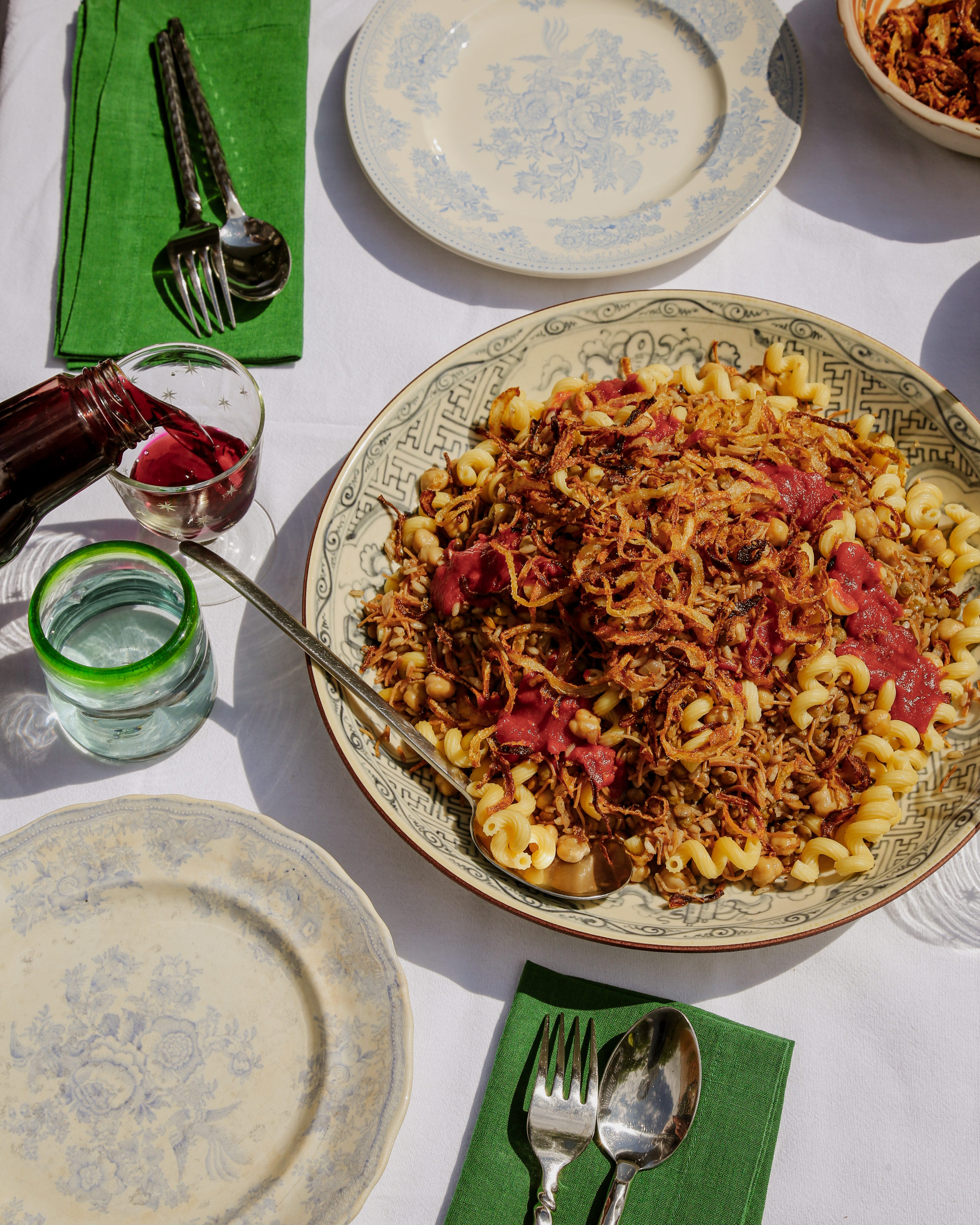
RECIPE: Koshari. Sami’s way.
Serves 4
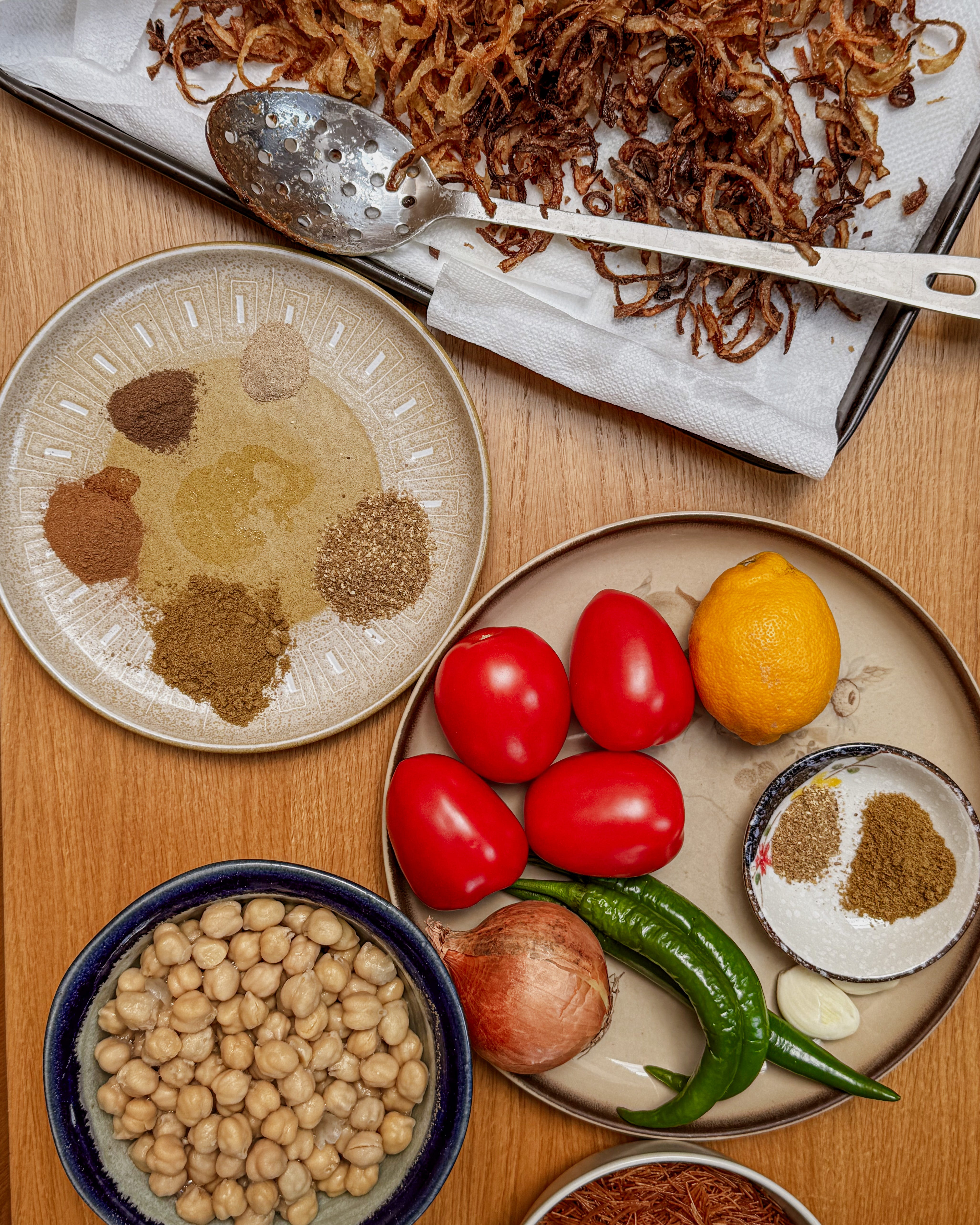
INGREDIENTS